

Microsoft Sculpt Ergonomic Keyboard review: Smart design, steep learning curve - caseromenswour
At a Glimpse
Expert's Rating
Pros
- Designed for engineering comfort
- Includes separate list pad
- Simple setup
Cons
- Unequaled layout hind end comprise challenging for touch typists to victor quickly
- No backlighting
Our Verdict
The Microsoft Sculpt Ergonomic Keyboard is a welcome alternative to conventional desktop setups for RSI sufferers.
Microsoft lets you know right up front its aim for the Sulpt Applied science Keyboard wireless keyboard-and-mouse combo. IT Ra-imagines the condition of our just about-victimised computer peripherals to prevent or reduce the effects of repetitive strain injuries ilk gliding joint tunnel syndrome.
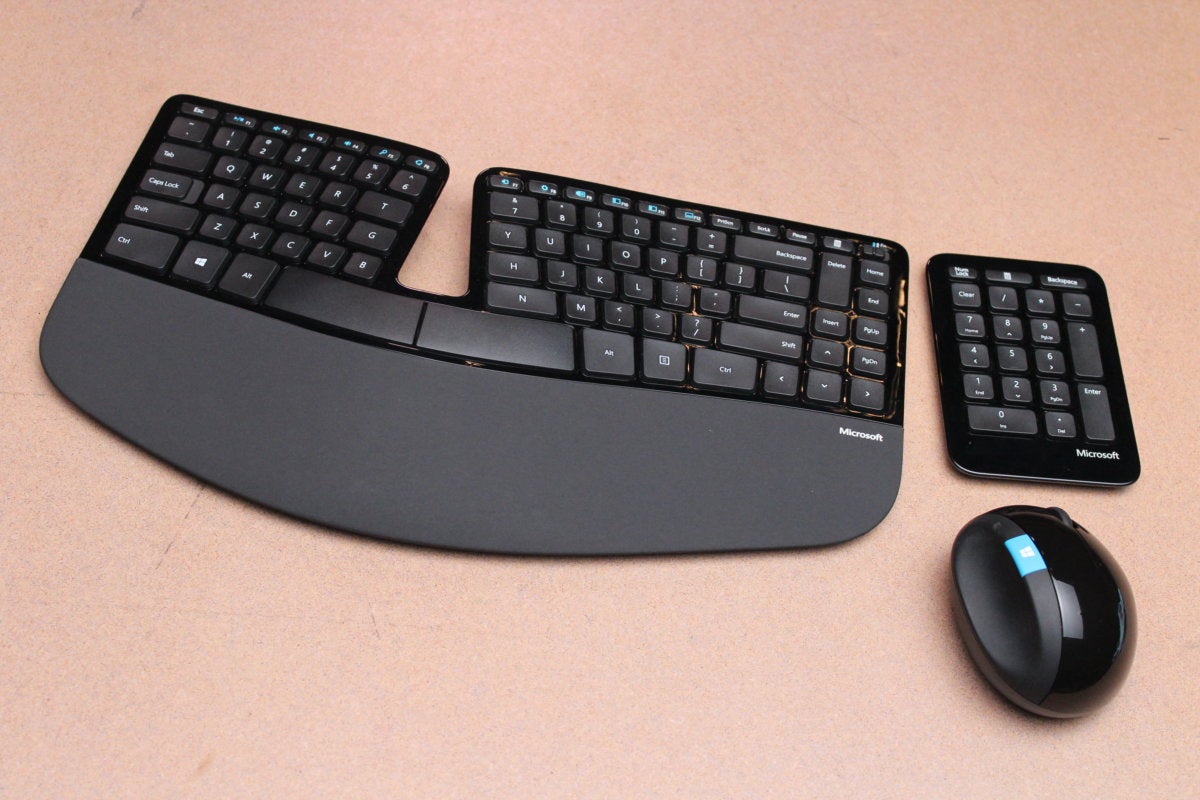
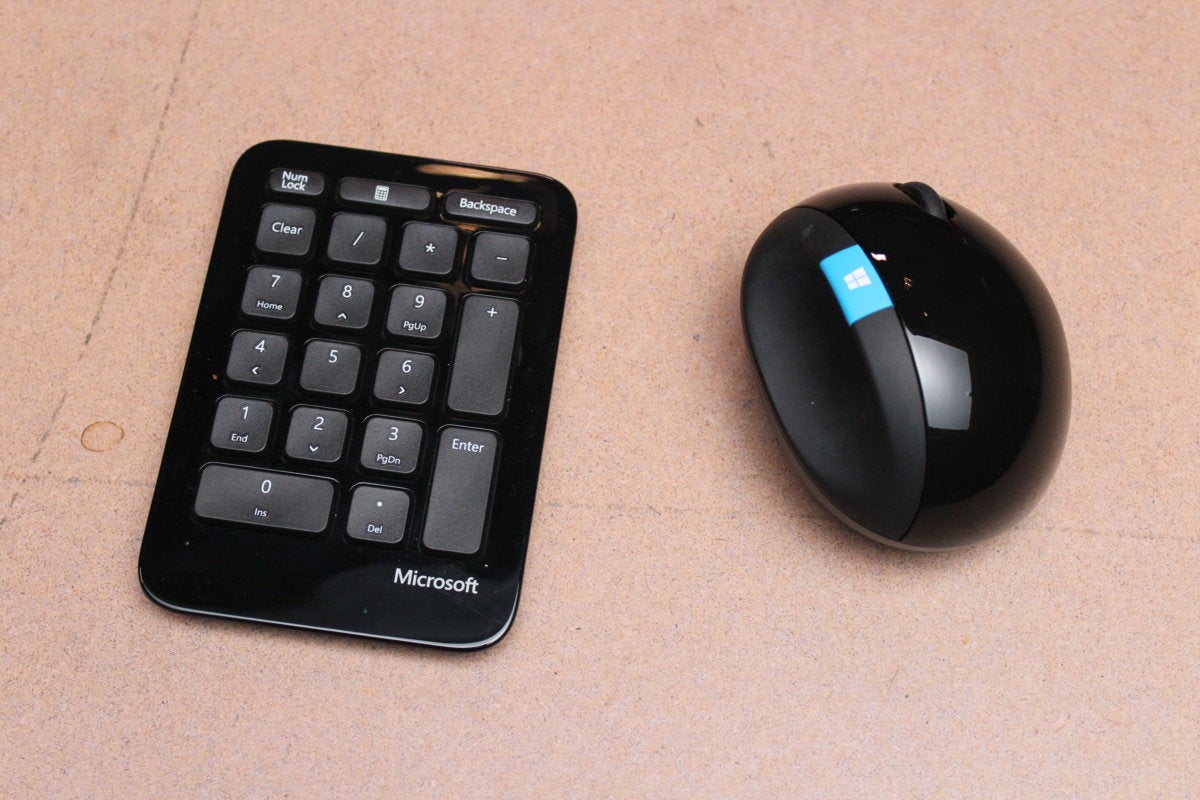
Tush the scenes, Microsoft dubbed the keyboard "Devilfish Beam of light" for open-and-shut reasons. Its partially split design bends the keys up and toward the cutaway model, evoking the image of the sea antelope-like and its winged fins. It measures just over 15 inches crosswise and includes a entire set of alphanumeric and function keys. Microsoft lopped off the number pad to save space, every bit a lot of keyboard replacements do. Rather than part with it altogether, though, IT includes it as a separate module that seat be pulled unconscious of a drawer only when needed.
A partner off of AAA batteries powers the keyboard; they're enclosed in the box and you have to install them. The mouse and number pad run on Alcoholics Anonymous batteries and a single lithium ion battery, severally, but these are preinstalled and you merely have to polish of their battery tabs. A small USB dongle is also included and cleverly stored in the pussyfoot's battery compartment for guardianship when not in use.
 Melissa Riofrio/IDG
 The keyboard's "devilfish" design presents more or less challenges for touch typists, but the relief it should provide from injury pain is worth working finished them.
Split keyboards take whatever getting wont to, and the Sculpt is no exclusion. The keys rise toward the cutaway model to more naturally meet your fingers and reduce the distance they have to dilute when you're typewriting. This makes the domicile row position very comfortable, with both wrists settled connected the downward slopes of the padded radiocarpal joint rest. But typing immediately presented some challenges for this touch typist.
Right wing off the bat I had trouble systematically hitting the "B" key, overshooting it more than half the time. I had slightly better luck when I in use the magnetically bindable riser pipeline included with the outfit, as it seemed to tip that key into a more natural position. Merely ultimately only clip helped Maine get the hang of it. I besides had problems reaching the right Shift key with my pinkie without lifting my fingers from the interior rowing, and that ne'er did get whatsoever easier.
Several keys, as a matter of fact, seemed to involve more stretching rather than less, most notably the "T" and "Y" keys. This no doubt has to doh with the fact these keys to each one lie happening the border of cutaway at the Sculpt's peak. Microsoft made these keys and the others along the cutaway slightly large than the chiclet size up of all the others to make them more than easily accessible, but their side still matte up unnatural.
 Melissa Riofrio/IDG
 Microsoft removed the desktop keyboard's keep down pad to save space but wisely included IT as a separate module to be used as needful.
With time I got old to most of the keyboard's quirks, simply they slowed me down substantially for the first week some, a problem compounded by all the typos I had to fix.
The Sculpt's accompanying shiner has gotten some negative feedback, but I found information technology quite comfortable to use. The oval shape suitable naturally in my hand and kept my palm from coming into contact with the desk or table. Its cardinal buttons and scroll wheel are optimally placed for your index and central fingers, and it includes a hitch-accessible Windows button for sluttish admittance to the Start menu. It also tracked smoothly on a variety of surfaces—I even used it on the branch of a leather recliner with no issues. The only drawback is the riffle cutaway drawing, which is positioned for properly-handed users, thus don't start obviate your current mouse if you'ray a lefty.
Buttocks line
I liked the Sculpture's durable and thoughtful design. But without the pain of an RSI I just didn't own the motivator to run through 25 years of motor memory to conform my typing to its unconventional layout. If you do suffer from RSI or are at risk for it, though, you'll likely find the meek learning curve well valuable the effort.

Source: https://www.pcworld.com/article/402949/microsoft-sculpt-ergonomic-keyboard-review.html
Posted by: caseromenswour.blogspot.com
0 Response to "Microsoft Sculpt Ergonomic Keyboard review: Smart design, steep learning curve - caseromenswour"
Post a Comment